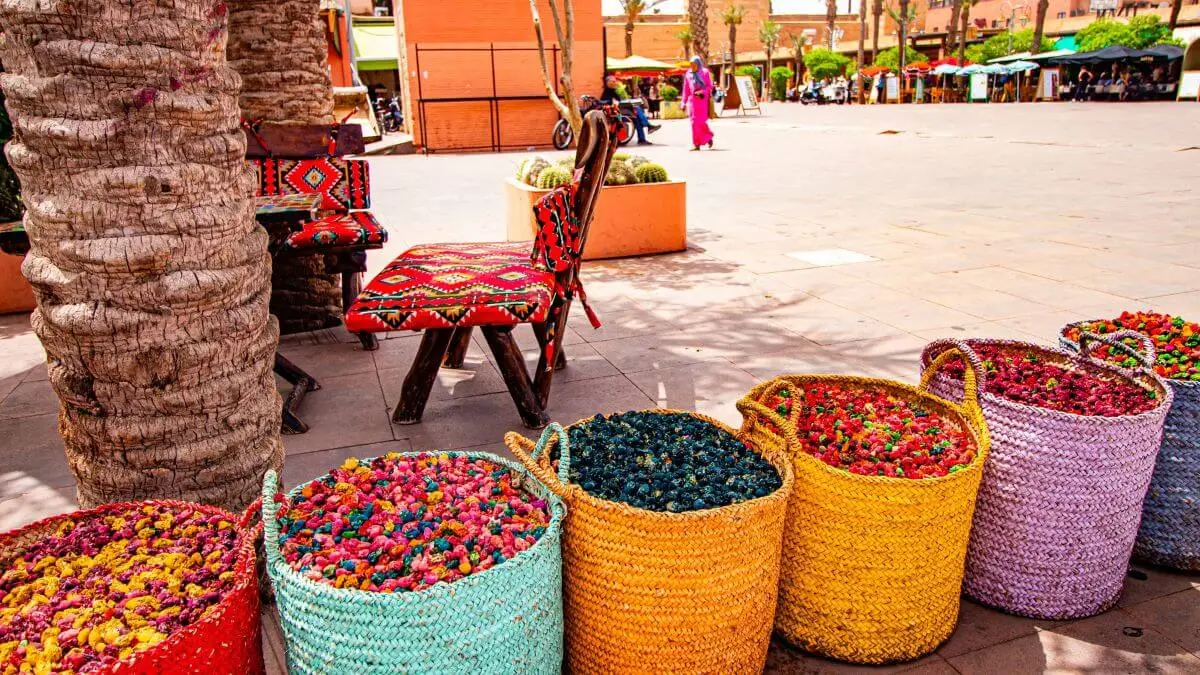
Today, the souks of Marrakech are home to more than 2,600 artisans divided into some twenty guilds in the heart of the city. UNESCO-listed medina. To avoid getting lost in this labyrinth of alleyways, we've designed this guide to help you decipher the layout of these districts and identify the authentic know-how.
Thanks to our approach, you'll master the codes of haggling and the specificities of each trade, transforming your sensory stroll into a serene and controlled experience.
The organisation of the Marrakech souks and the role of the guilds
Once you've put down your bags in a exceptional riad in Marrakech, It's time to understand how the heart of the medina beats through its centuries-old trades.
Did you know?
L’Amine is the respected elder who oversees each guild. He guarantees product quality and settles disputes between merchants.
The regulatory role of amines in trades
The Amine embodies the moral authority of each guild. This wise man meticulously oversees the quality of goods produced. He also intervenes to arbitrate disagreements between merchants.
Passing on the knowledge remains his priority. Under his watchful eye, the masters train the apprentices. This rigour preserves an intact ancestral know-how.
Finally, it ensures ethical regulation. The Amin assures that the tariffs remain honest. It thus maintains commercial balance.
The geographical hierarchy of stands by speciality
The space follows a precise logic. Noisy or smelly trades are located on the periphery. Precious goods cluster in the centre, near the mosque.
Production is distinct from sales. The dark workshops house the meticulous work. The bright boutiques then display the finished pieces.
This structure reflects centuries of history. Each alleyway has its own identity. This unchanging layout still makes it easy for regulars to find their way around.
The different souks of Marrakech and their uniqueness
This rigorous organisation gives rise to a mosaic of specialised neighbourhoods, where each alleyway tells a different story.
The Smata Souk
Here we enter the true realm of the babouche. You'll discover thousands of leather slippers in every imaginable shade. It's an incredible visual spectacle for photographers.
Local artisans perpetuate age-old techniques by sewing the soles by hand. They often favour goat leather for its incomparable suppleness. The models on display vary according to the traditions of different regions of Morocco.
Before buying, always check the quality of the inner seam of the slipper. An honest craftsman will happily show you their finest finishes kept in reserve. Expect to pay around 9 euros for a standard quality pair.
The Cherratine souk
The immersion into the world of leatherworkers begins with the distinctive smell of tanned leather that perfumes the air. It is in this maze that the sturdiest bags and belts of the medina are crafted. One feels the full weight of tradition here.
Observing the manual labour, one notices the precision of the tanners using ancestral tools. The movements are quick but absolutely accurate. Each piece is unique as it retains the small natural imperfections of the skin.
Here's what you'll mainly find in these stalls:
- Durable leather travel bags
- Hand-embroidered saddlebags
- Camel leather belts
- Traditional poufs
The Spice Souk (or Chkairia)
Prepare yourself for an explosion of scents and vibrant colours. The carefully arranged pyramids of saffron and cumin immediately catch your eye. It's a paradise for all lovers of Oriental cuisine.
The variety of products is impressive, particularly the famous Ras el-hanout blend. Herbalists also offer many ancestral natural remedies. Often, the discovery of these flavours is made over a glass of tea.
Cooling tips
Prioritise buying whole spices to preserve the full potency of their aroma. Absolutely avoid powders that have been exposed to direct sunlight for too long on market stalls.
The Zrabia souk
Welcome to the temple of Moroccan carpets, located on a historic square. This place has become the nerve centre of traditional weaving. Pieces arrive here from the four corners of the Atlas Mountains. To find out more about the value of these crafts, take a look at our guide to prices per m² in Marrakech and the role of craftsmanship in enhancing riads.
The spectacle of the late afternoon auction is a highlight. The brokers present the carpets to the buyers in an electric and rhythmic atmosphere. It's a tradition that seems to have never changed with time.
The choice is vast, with Beni Ouarain in white tones and very colourful Azilals. Each geometric pattern actually tells a very specific tribal story. The atmosphere here is more serene than in the adjacent streets.
The Souk Dhabia
The sparkle of gold and silver jewellery defines the atmosphere of this district. The souk literally glitters. Traditional Berber adornments sit alongside much more contemporary creations.
Goldsmiths work precious metals with a meticulousness that commands respect. Solid silver remains highly prized, particularly for the making of traditional brooches. The official hallmark stamped on the pieces guarantees the purity of the metal.
Exercise caution by systematically requesting a certificate for your expensive purchases. We advise you to compare the price per gram to assess the fairness of the offer. Never rush into the first set.
The Souk Fagharine or Fekharine
Here, it is the art of terracotta that is expressed in all its forms. Potters exhibit glazed tagines and vases with shifting reflections. The hues oscillate between the blue of Safi and the traditional Moroccan green.
Craftsmen shape clay on manual wheels at the back of their small workshops. Firing, carried out in wood-fired kilns, ensures perfect durability for culinary use. This is a skill that requires infinite patience.
In this section, you will find a wide range of utilitarian objects:
- Decorated tagine dishes
- Enamelled ceramic bowls
- Raw terracotta vases
- Handmade ashtrays
The Souk Laghzel or El Ghazal (Lghzal)
This market, dedicated to raw wool, comes alive at the first light of dawn. Farmers come to sell their fleeces in a very authentic atmosphere. It is one of the few places still preserved from mass tourist flow.
The wool is washed, carded, and then spun directly on-site by expert hands. Berber women still use traditional spindles to transform the raw material. This wool will then supply the carpet weavers.
The soundscape there is unique and particularly striking for the visitor. Negotiations are lively, interspersed with the shouts of the porters making their way through. Here, you touch the heart of real economic life.
The Souk Attatine
We arrive in the realm of the coppersmith, where the song of hammers rings out. The sound of metal struck against copper creates a fascinating industrial melody. The chiselled lanterns cast magnificent plays of shadow on the walls.
The main items produced here are elegant tea trays and kettles. Brass and copper are the principal materials worked by the artisans. Each decorative motif is struck point by point with exemplary regularity.
The artisan districts to favour for your targeted purchases
To find exceptional pieces, you sometimes have to move away from the main routes and delve into specialised districts.
Leather goods and ironwork from Souk Cherratine to Souk Haddadine
Here, we admire leather and iron. Visit the blacksmiths' workshops to see the sparks fly. Craftsmen forge intricate grilles and lanterns.
Search for natural leather bags and wrought iron candle holders. These pieces are robust and authentic.
Observe the work of the hands. Avoid overly flashy shops.
Dyers and cabinetmakers of the Souk el-Attarine in the Souk Chouari
The dyers' quarter offers skeins of wool drying in the sun. The cabinetmakers work with fragrant thuya wood. We love these types of wood.
The dyes come from the poppy or indigo. The result on silk is spectacular. These natural pigments are fascinating.
The thuya wood boxes are carefully polished. Their natural scent lasts for years. It makes an ideal gift.
How to identify the real quality of local materials
Knowing where to go is one thing, but knowing what you're buying requires a keen eye and a few trade secrets.
Distinguishing genuine leather from mass production
Sensory tests are indispensable. Real leather gives off a strong but natural smell. Its texture should show irregular pores under a magnifying glass.
Vegetable tanning uses tree bark. This traditional process is more environmentally friendly than industrial chrome.
Look at the cut slices to judge the finishes. Mass-produced leather quickly crumbles whereas handcrafted pieces do not.
Recognising Berber weaving and noble metals
Turn the rug over to count the knots. Uneven weaving often proves manual and authentic craftsmanship.
Pure copper rings clearly. Poor alloys appear lighter and duller to the eye.
Prioritise women's cooperatives. They guarantee fair pay for local craftswomen and ethical production methods.
Signs of authenticity
Genuine leather has irregular pores. Pure copper resonates clearly, while handmade rugs display asymmetric knots on the back.
Successfully negotiating while respecting commercial codes
Once the item of your dreams has been identified, the subtle ballet of negotiation begins, as much a social as a commercial art.
The tea ritual and the psychology of exchange
Tea symbolises Moroccan hospitality. Accepting a glass commits you to nothing; it's a moment of courtesy to break the ice before negotiations.
Official guides wear a prefecture badge. Avoid overly helpful passers-by asking for a commission. Remain calm in the face of insistence.
Mutual respect greatly facilitates your movements within the medina.
How to get to the souks of Marrakech?
To finish, organising your trip requires some basic logistical knowledge.
In a taxi
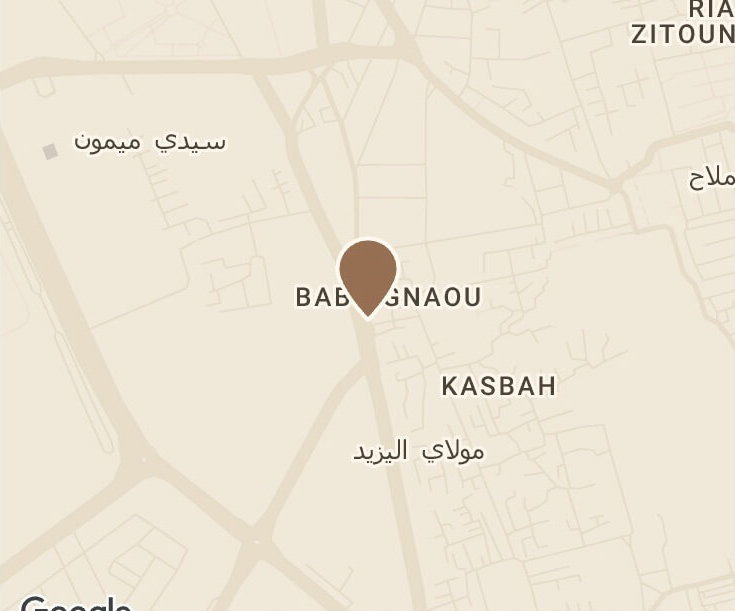
Prioritise the small yellow taxis for getting around. These vehicles can navigate anywhere in the city. Target strategic drop-off points. Ask for Jemaa el-Fna square or Bab Laksour. These entrances will drop you right at the gates of the main souks.
A bus
The Alsa bus network is very efficient. Several routes serve the historic centre perfectly. It's an economical option for long-distance travellers.
Find the main stops. Get off at the Arset El Bilk stop. You'll be a stone's throw from the Koutoubia mosque. Nearby, the Guéliz district offers a radically different atmosphere in which to continue your discovery.
Buy your ticket. Buses run every ten minutes.
Ready to explore the souks of Marrakech? Between the age-old organisation of the guilds and the quest for authentic leather goods or carpets, your immersion promises to be total. Don't wait any longer to unearth these artisanal treasures and experience the vibrant magic of the Medina. And if the Medina has won you over, find out how investing in a riad in Marrakech with Klair & Arno.