Medina or Palmeraie? For many buyers, these two names encapsulate the two sides of Marrakech. On the one hand, the historic walled city, with its derbs, souks and riads; on the other, the palm-tree oasis to the north of the city, with its large estates and peaceful villas. Choosing between the two means choosing a way of life, a type of home and, if you’re letting, a type of tenant.
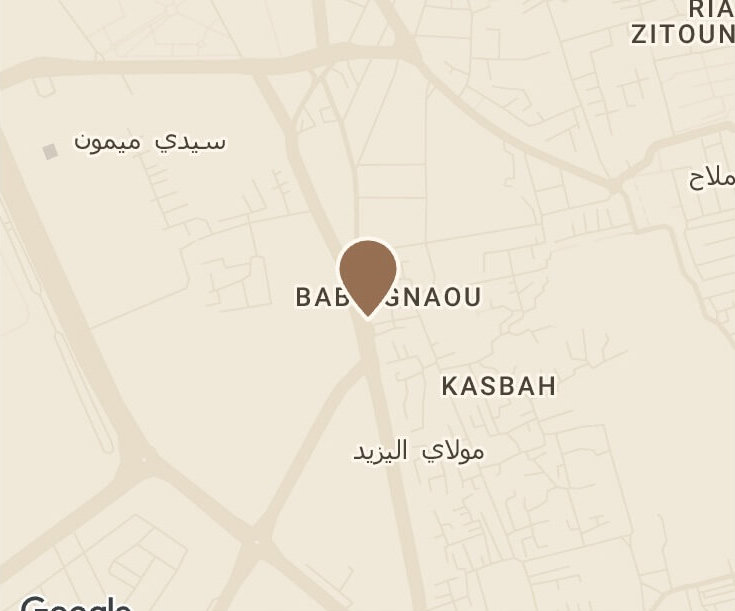
This comparison guide will help you make the right choice depending on your plans: a second home, a year-round residence, a holiday let or a guest house. We also share our day-to-day observations with our clients from our agency in Bab Agnaou, at the entrance to the Kasbah.
In short : the medina is best experienced on foot, at the heart of the local heritage, in riads opening out onto their patios; it is the choice of those seeking immersion and travellers in search of authenticity. The Palm grove It offers space, a garden, a swimming pool and peace and quiet, but you’ll need a car to get about; it’s the ideal choice for families, large gatherings and holidays in the countryside. The legal checks vary: title status in the medina, zoning and planning permission in La Palmeraie.
Two very different regions
The medina
Listed as a UNESCO World Heritage Site since 1985, the medina of Marrakech is a dense urban fabric of narrow streets, squares and historic neighbourhoods, stretching from the Mellah to the Kasbah, and from Mouassine to Bab Doukkala Gate. The houses here are terraced, opening onto a patio, with terraces overlooking the rooftops. Life here revolves around walking, to the sound of the city.
The Palmeraie
Situated to the north of the city, between the main roads leading to Fez and Casablanca, the Palmeraie is a vast oasis of palm trees where villas, hotels, residential complexes and golf courses have been built. The properties here are spacious, often surrounded by gardens, and the area is best explored by car. To find out more about the area, see our Guide to the Palmeraie by Marrakech.
The comparison
Everyday life
- Medina : a bakery, a grocery shop, a hammam, restaurants and sights just a few minutes’ walk away. There’s always something going on, and it really feels like a change of scenery.
- Palm grove : peace and quiet, nature and open spaces, but a car is essential for shopping, restaurants and going out.
The type of property
- Medina : riads and dars, ranging from two to around ten bedrooms, with a patio, terrace and sometimes a pond. Traditional architecture is at the heart of their appeal.
- Palm grove : villas set on larger plots, with gardens, swimming pools and outbuildings, in a wide variety of styles.
Tenants
- Medina : travellers seeking authenticity, culture and proximity to attractions, whether as couples or with friends, often for short breaks. The riad is well suited to use as a guesthouse.
- Palm grove : families, groups, private events and longer stays, with a request for services (chauffeur, cook, heated swimming pool).
The interview
- Medina : an old building, susceptible to damp and water ingress from the terraces; a high-quality renovation is essential.
- Palm grove : gardens, watering, swimming pools, fencing and security, usually with staff.
Safety and absences
- Medina : a single door, close neighbours and a strong sense of community, which provide a form of natural surveillance. Someone you trust who drops by regularly is often enough.
- Palm grove : a larger, often isolated property; most owners employ a caretaker, particularly during long periods of absence.
Prices: what we can say
In both areas, prices vary considerably depending on the exact location, the size, the condition of the property and its facilities. In the medina, the riads in our selection are priced, at the time of writing, between 3.2 and 18 million dirhams. In La Palmeraie, the value depends largely on the size of the plot and the quality of the build: each villa must be assessed on a case-by-case basis. In both cases, the registration fees amount to 4 % for a built property.
Legal issues specific to each sector
In the medina
- The title : Some older properties are not registered and are based on a ‘moulkia’. Opt for a riad with a title deed, or make registration a condition of the purchase.
- Compliance : Extensions, covered terraces or the joining of houses must comply with the plans on file and the relevant planning permissions.
- Heritage : Building work in the medina must comply with town planning regulations and respect the character of the site. Please check before planning any major alterations.
Our A shopping guide to the medina of Marrakech sets out these checks in detail.
At La Palmeraie
- Zoning : check the planning document to see what is permitted on the plot (residential use, tourist accommodation, building density, height).
- Planning permission and occupation permit of the villa, and their compliance with the existing structure.
- The status of the land : title deeds, easements, and any rules governing a residential complex or housing estate. If the land is situated outside an urban area and is designated for agricultural use, a foreign national must provide a certificate confirming that the land is not intended for agricultural use in order to purchase it.
- Water : source of water for watering and the swimming pool (mains supply, borehole), and the relevant authorisations.
Which sector for which project?
A holiday home used for a few weeks each year
The medina often wins out: a riad is easy to lock up, can be looked after by a neighbour or a caretaker, and every stay begins with a stroll through the souks.
Year-round accommodation
Both are good options. The medina appeals to those who want to live within walking distance of the hustle and bustle; the Palmeraie appeals to those who prefer gardens, peace and quiet, and open spaces, and don’t mind having a car.
Guest house
The medina is the natural setting for a guesthouse: the riad itself is an experience sought after by travellers. A villa in the Palmeraie can also be used as accommodation, albeit with a different focus.
Holiday rentals of entire houses for families and groups
La Palmeraie, with its large swimming pools and gardens, meets this demand very well. A large riad with a swimming pool can, however, attract the same clientele, with the added advantage of its proximity.
And what about in between?
Marrakech is not limited to these two areas. The neighbourhoods in the new part of the city, such as Guéliz and l’Hivernage, offer a good balance: modern flats and villas, local shops, and the medina just a few minutes away. For an overview, see our guide to best neighbourhoods for a riad at Marrakech.
Frequently Asked Questions
Is it better to shop in the medina or in the Palmeraie?
It depends on your lifestyle and your plans. The Medina is ideal for those who want to live within walking distance of everything and at the heart of the city’s heritage; the Palmeraie is ideal for those seeking space, gardens and peace and quiet.
Can a foreigner buy property in La Palmeraie?
Yes. You need to check the title deed, the zoning status and the planning permission for the villa. For land outside the urban area designated for agricultural use, a certificate confirming its non-agricultural use is required.
Where do holiday lettings work best?
Both areas have their own clientele: travellers seeking an authentic experience in the medina, and families and groups in the Palmeraie. The quality of the property and its management are just as important as the location.
Is the medina noisy?
The town is bustling, but the riad’s architecture, which opens out onto the courtyard, creates a real haven of tranquillity. The choice of alleyway makes all the difference.
Let’s go and have a look together
As specialists in the medina, we can help you assess how your plans stack up against the reality on the ground and visit the riads that best suit your needs. Contact Klair & Arno.